
Emergency Services
🚨
👮
🚒
🚑
👩
👶
🌪️
🏛️
🛣️
☠️
❤️
💻
For immediate emergency assistance, call
112
Essential Safety Guidelines
Electricity Emergency
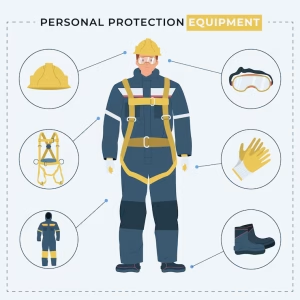
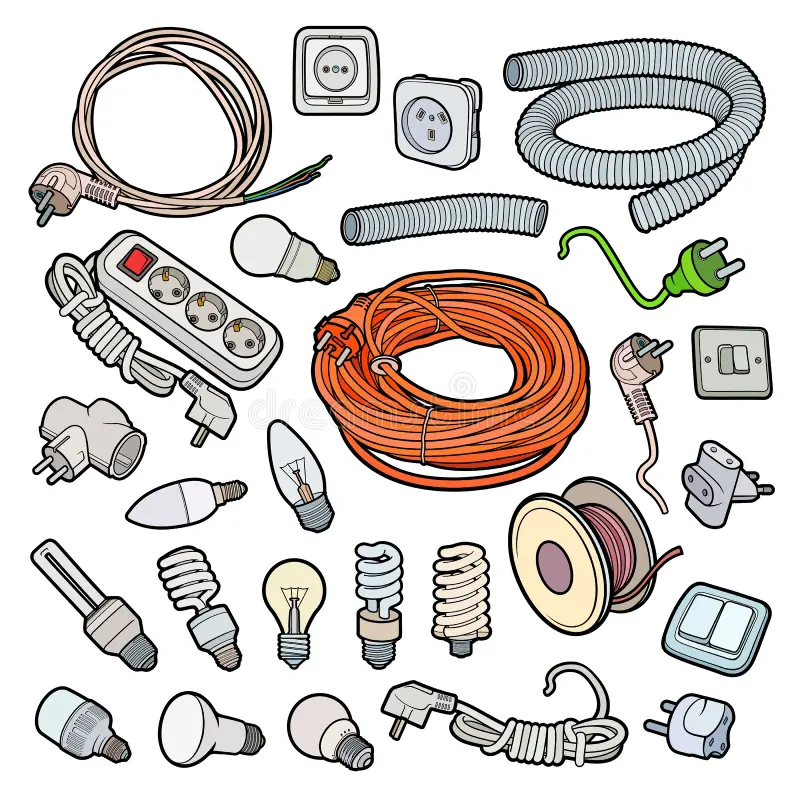

Common Electricity Emergencies
- Power outages or blackouts
- Fallen or damaged power lines
- Electrical short circuits
- Electric shocks
- Sparking electrical outlets
- Overloaded electrical circuits
- Transformer failures
- Fire caused by electrical faults
What to Do During an Electricity Emergency
- Call the Electricity Helpline immediately by dialing 1912.
- Stay away from fallen or damaged power lines.
- Switch off the main power supply if it is safe to do so.
- Unplug electrical appliances during power fluctuations.
- Report damaged poles, transformers, or sparking wires immediately.
- Keep children and pets away from electrical hazards.
- Use a torch instead of candles during power outages.
- Follow the instructions issued by the electricity department.
Basic Electrical Safety Tips
- Regularly inspect electrical wiring and appliances.
- Avoid overloading electrical sockets and extension boards.
- Replace damaged plugs, switches, and cables immediately.
- Keep electrical appliances away from water.
- Install proper circuit breakers and surge protectors.
- Turn off electrical appliances when not in use.
- Use only certified electrical equipment.
- Schedule regular electrical maintenance for homes and workplaces.
Things You Should Never Do
- Never touch fallen power lines.
- Never handle electrical equipment with wet hands.
- Do not attempt to repair high-voltage electrical equipment yourself.
- Never use water to extinguish an electrical fire.
- Do not overload power outlets with multiple devices.
- Never ignore sparks, burning smells, or unusual electrical noises.
- Do not allow children to play near transformers or electric poles.
- Never approach damaged electrical installations during floods or storms.
Electricity Emergency Kit
- Flashlight with extra batteries
- Fully charged power bank
- Battery-powered emergency light
- Insulated rubber gloves
- First aid kit
- Emergency contact numbers
- Portable battery-operated radio
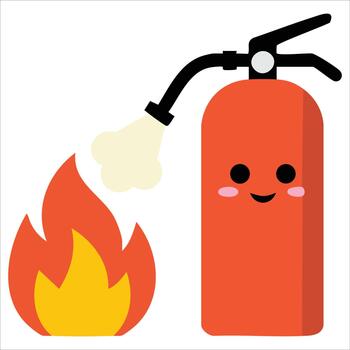
- Fire extinguisher (Class C or suitable for electrical fires)
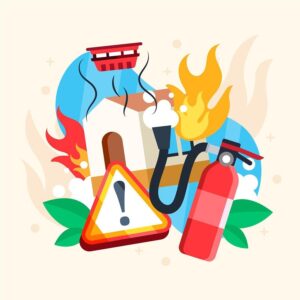
Fire Emergency
What to Do During a Fire Emergency
- Call the Fire Service immediately by dialing 101.
- Stay calm and alert everyone nearby.
- Evacuate the building using the nearest safe exit.
- Crawl low under smoke to avoid inhaling toxic fumes.
- Close doors behind you to slow the spread of fire.
- Use stairs instead of elevators.
- Assist children, elderly people, and persons with disabilities.
- Move to a safe open area and wait for emergency responders.
Basic Fire Safety Tips
- Install smoke detectors and test them regularly.
- Keep fire extinguishers in accessible locations.
- Never overload electrical sockets.
- Turn off LPG gas valves after cooking.
- Store flammable materials away from heat sources.
- Keep emergency exits clear at all times.
- Teach family members basic fire safety procedures.
- Create and practice a home fire escape plan.
Things You Should Never Do
- Never use water on electrical or oil fires.
- Never re-enter a burning building.
- Do not hide inside rooms or bathrooms.
- Avoid using elevators during a fire.
- Do not panic or push others while evacuating.
- Never ignore a fire alarm.
- Do not block emergency exits.
- Never leave children unattended near fire sources.
Common Fire Emergencies
- House or building fires
- Electrical fires
- Kitchen or gas cylinder fires
- Forest or grass fires
- Vehicle fires
- Chemical or industrial fires
- Short circuit fires
- LPG gas leaks
Fire Emergency Kit
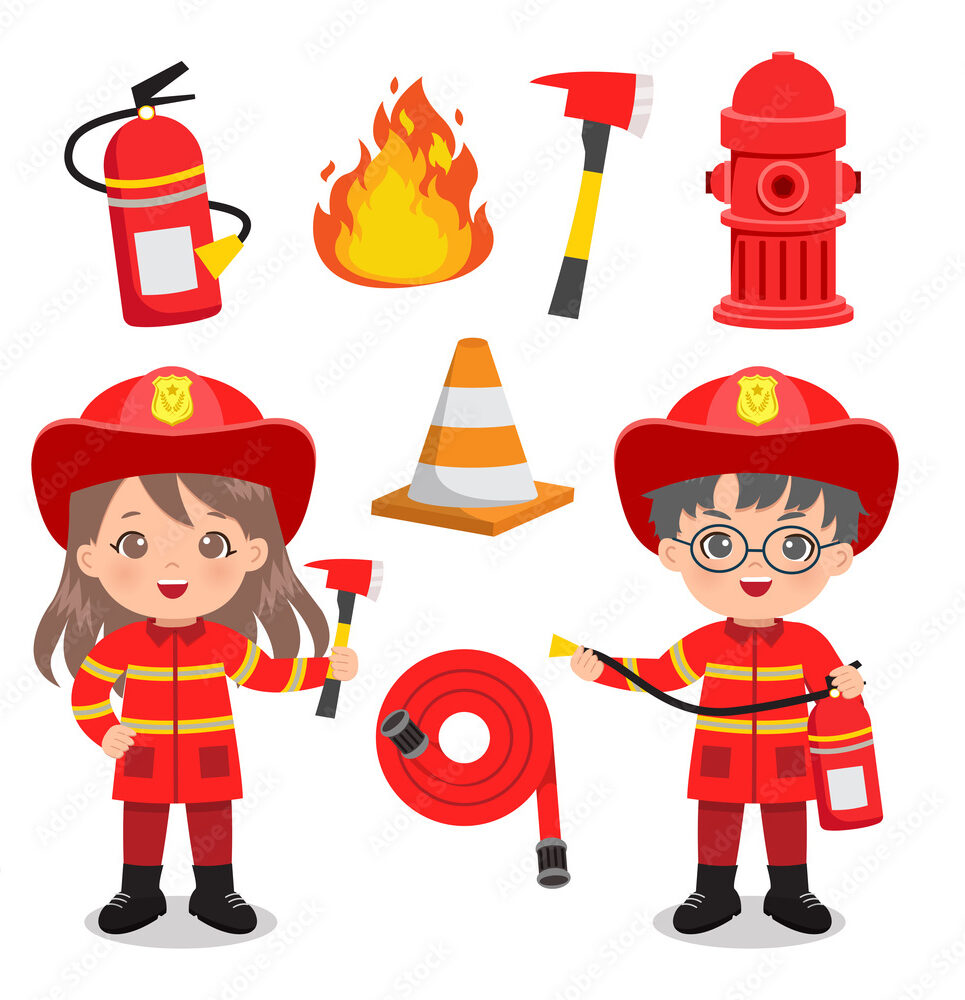
- Fire extinguisher
- First aid kit
- Flashlight with extra batteries
- Emergency contact list
- Drinking water
- Face masks or wet cloths for smoke protection
- Battery-powered radio
- Important documents stored in a waterproof folder
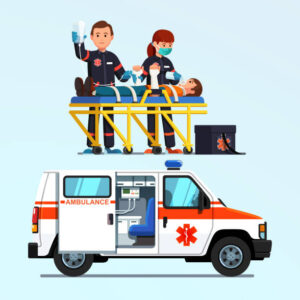
Medical Emergency
Common Medical Emergencies
- Heart attack or chest pain
- Stroke symptoms
- Severe bleeding or injuries
- Breathing difficulties or asthma attacks
- Road accident injuries
- Burns and scalds
- Poisoning or drug overdose
- Snake bites or insect stings
What to Do During a Medical Emergency
- Call the Emergency Ambulance Service immediately by dialing 108.
- Stay calm and assess the person’s condition.
- Provide basic first aid if you are trained.
- Keep the injured or sick person comfortable and still.
- Do not move a seriously injured person unless necessary.
- Monitor breathing and consciousness until help arrives.
- Inform emergency responders about the person’s condition.
- Follow the instructions given by medical professionals.
Basic Medical Safety Tips
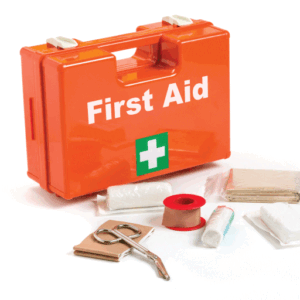
- Keep a well-stocked first aid kit at home.
- Learn basic CPR and first aid techniques.
- Store emergency contact numbers in your phone.
- Keep essential medicines within easy reach.
- Stay hydrated and maintain good hygiene.
- Attend regular health check-ups.
- Wear helmets and seat belts to prevent injuries.
- Seek medical attention promptly for serious symptoms.
Things You Should Never Do
- Never ignore severe chest pain or stroke symptoms.
- Do not give food or water to an unconscious person.
- Never move someone with a suspected spinal injury unnecessarily.
- Avoid giving medicines without medical advice.
- Do not delay calling emergency services.
- Never leave an unconscious person alone.
- Avoid crowding around the injured person.
- Do not panic; stay calm and act quickly.
Medical Emergency Kit
- First aid kit
- Prescription medicines
- Adhesive bandages and sterile gauze
- Antiseptic solution and cotton
- Digital thermometer
- Disposable gloves and face masks
- Emergency contact list
- Medical records and health insurance details
Disaster Management
Flood Safety – Hassan District
Do’s
- Stay updated with official weather alerts and flood warnings.
- Keep an emergency kit ready with drinking water, food, medicines, flashlight, and batteries.
- Move important documents and valuables to higher places.
- Switch off electricity and LPG supply before leaving your home, if it is safe to do so.
- Follow evacuation instructions issued by Hassan District Administration.
- Move to designated relief camps or safer locations when advised.
- Keep emergency contact numbers readily available.
- Drink only clean or boiled water after flooding.
- Help children, elderly people, and persons with disabilities during evacuation.
- Follow instructions from District Disaster Management authorities.
Don’ts
- Do not walk or drive through flooded roads or flowing water.
- Do not touch electrical wires, switches, or appliances when standing in water.
- Do not drink floodwater or contaminated water.
- Do not ignore evacuation orders or official warnings.
- Do not enter damaged buildings until authorities declare them safe.
- Do not allow children to play near floodwater, drains, canals, or rivers.
- Do not spread unverified information or rumours.
Cyclone Safety – Hassan District
Do’s
- Monitor official weather forecasts and cyclone alerts.
- Secure doors, windows, rooftops, and loose outdoor objects.
- Keep emergency food, drinking water, medicines, batteries, and flashlights ready.
- Keep mobile phones and power banks fully charged.
- Stay indoors and away from windows during strong winds.
- Follow instructions issued by Hassan District Administration.
- Move to a safe shelter if evacuation is advised.
- Keep children and elderly persons in safe areas.
Don’ts
- Do not go outdoors during severe weather unless instructed.
- Do not stand near trees, electric poles, or damaged structures.
- Do not touch fallen electrical wires.
- Do not ignore official evacuation warnings.
- Do not spread false or unverified cyclone information.
Heat Wave Safety – Hassan District
Do’s
- Drink plenty of water throughout the day.
- Stay indoors or in shaded areas during peak afternoon heat.
- Wear lightweight, loose-fitting, light-coloured clothing.
- Use an umbrella, hat, or scarf when going outdoors.
- Check on elderly people, children, and vulnerable persons.
- Consume fresh fruits and hydrating foods.
- Follow heat-wave advisories issued by authorities.
- Take regular breaks when working outdoors.
Don’ts
- Do not stay outdoors unnecessarily during peak heat.
- Do not consume excessive caffeinated or sugary drinks.
- Do not leave children or pets inside parked vehicles.
- Do not ignore dizziness, weakness, headache, or confusion.
- Do not undertake strenuous physical activities during extreme heat.
Earthquake Safety – Hassan District
Do’s
- Stay calm and protect yourself immediately.
- Follow the Drop, Cover, and Hold On procedure during an earthquake.
- Stay away from windows, glass, and heavy objects.
- If outdoors, move away from buildings, poles, and trees.
- After the shaking stops, carefully move to a safe open area.
- Check for injured people and provide first aid if trained.
- Follow official instructions from disaster management authorities.
Don’ts
- Do not use elevators during or immediately after an earthquake.
- Do not rush toward exits while the ground is shaking.
- Do not stand near damaged buildings.
- Do not touch damaged electrical wires.
- Do not spread rumours or unverified information.
Landslide Safety – Hassan District
Do’s
- Monitor heavy rainfall and local disaster warnings.
- Stay alert in hilly and steep areas during prolonged rainfall.
- Stay away from unstable slopes and areas showing signs of soil movement.
- Move to safer locations when authorities advise evacuation.
- Keep emergency supplies ready during prolonged rainfall.
- Report cracks, soil movement, or falling rocks to local authorities.
- Keep emergency contact numbers available.
Don’ts
- Do not travel through areas affected by landslides.
- Do not approach unstable slopes or fallen debris.
- Do not stand below steep slopes during heavy rainfall.
- Do not enter damaged houses or buildings without official clearance.
- Do not ignore evacuation instructions.
Drought Safety – Hassan District
Do’s
- Use water carefully and avoid unnecessary wastage.
- Store drinking water safely for essential use.
- Follow water conservation practices at home and farms.
- Use rainwater harvesting wherever possible.
- Farmers should follow advisories on suitable crops and irrigation.
- Use efficient irrigation methods such as drip irrigation where feasible.
- Protect and maintain local water sources.
- Follow drought-related instructions issued by district authorities.
Don’ts
- Do not waste drinking water.
- Do not leave taps running unnecessarily.
- Do not pollute available water sources.
- Do not overuse groundwater.
- Do not ignore official water-use restrictions.
Live Weather Updates
Data from Weather25